

Controlled Substances in Research
Controlled substances are drugs or other substances whose manufacture, possession, distribution, or use is regulated under federal and New York State law. Controlled substances may be used for legitimate research purposes when the required licenses and registrations have been obtained and the activities are conducted in accordance with applicable federal, state, and Cornell University requirements.
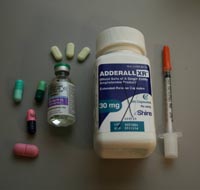
Research involving controlled substances at Cornell University may require licensing by the New York State Department of Health (NYSDOH) and registration with the U.S. Drug Enforcement Administration (DEA). Environment, Health and Safety (EHS) administers Cornell's research controlled substances program and assists researchers with licensing and registration, storage and security requirements, recordkeeping, and compliant disposal.
Starting controlled substance research?
Contact EHS before applying for a NYSDOH license or DEA registration or purchasing controlled substances. All Cornell research controlled substance licensees and registrants must register their program with EHS and use Cornell's required controlled substance recordkeeping forms.
Contact askEHS@cornell.edu.
What Do I Need?
| If You Are... | You Need To... |
|---|---|
| Starting controlled substance research | Contact EHS before applying for a NYSDOH license or DEA registration. Register the controlled substance program with EHS and complete the required licensing and registration process before purchasing, possessing, storing, or using controlled substances. |
| Purchasing or receiving controlled substances | Confirm that the substance, schedule, activity, and location are covered by the applicable NYSDOH license and DEA registration. Maintain the required receipt records and use the Cornell Receipt Record Log to document receipt. |
| Maintaining controlled substances | Maintain the required inventory and transaction records, restrict access to authorized personnel, and maintain required storage and security. Cornell requires use of the applicable EHS recordkeeping forms. |
| Using or preparing controlled substances | Maintain records documenting use and disposition. Cornell requires use of the Usage Log and, when applicable, the Dilution / Working Solution Log. |
| Taking controlled substances away from the registered location | Confirm that the movement and activity are authorized. For approved same-day movement, use the Cornell Controlled Substance Transportation Log to document chain of custody and reconciliation. |
| Adding a substance, schedule, activity, or location | Contact EHS before making the change. An amendment, modification, or additional license or registration may be required. |
| Disposing of controlled substances | Keep the material secured and accounted for until final disposition and contact EHS before disposal. Maintain the required disposition records using the applicable Cornell form. |
| Missing controlled substances or identifying an unexplained discrepancy | Contact EHS promptly. Theft, significant loss, diversion, or other events may require regulatory reporting. |
| Leaving Cornell, retiring, closing a laboratory, or transferring a research program | Contact EHS before the change. Licenses and registrations are not automatically transferable, and remaining controlled substances must be appropriately transferred, returned, surrendered, destroyed, or otherwise dispositioned. |
Required Records and Forms
Controlled substance licensees and registrants must maintain complete and accurate inventories and records of controlled substances under their authority. DEA regulations require an initial inventory and subsequent biennial inventories. Federal and New York State requirements also establish continuing recordkeeping requirements for controlled substance receipt, use, transfer, disposal, and other disposition.
Federal and New York State requirements establish the applicable inventory and recordkeeping obligations. Cornell requires research controlled substance licensees and registrants to use the standardized forms provided by EHS to document those activities.
Controlled substance records are maintained by the individual licensee or registrant at the applicable licensed or registered location. EHS does not maintain a centralized inventory of controlled substances held by individual Cornell researchers.
Use of Cornell's controlled substance recordkeeping forms is required for Cornell research controlled substance programs.
The underlying inventory and recordkeeping requirements arise from applicable federal and New York State requirements. Cornell requires use of the EHS forms to provide a consistent method for documenting those activities.
| Record or Activity | Requirement | Cornell Form |
|---|---|---|
| Initial Inventory | Required: Regulation requires an initial inventory when first engaging in controlled substance activities. The inventory must document all controlled substances on hand at the registered location. If no controlled substances are on hand, the initial inventory must record a zero inventory. Cornell requires use of the Initial Inventory form to document the inventory. | Initial Inventory |
| Receipt Records | Required: Regulation requires maintenance of records of controlled substances received or acquired, including the controlled substance, quantity, date received, source, and other information required by applicable regulations. Cornell requires use of the Receipt Record Log to document receipt. | Receipt Record Log |
| Biennial Inventory | Required: Regulations require a complete inventory of controlled substances on hand at least every two years following the initial inventory, in accordance with applicable DEA and NYSDOH requirements. Biennial inventory records must be retained with the registrant's controlled substance records. Cornell requires use of the Biennial Inventory form to document the inventory. | Biennial Inventory |
| Usage Records | Required: Regulations require complete and accurate records documenting controlled substance use and disposition from acquisition through final disposition. Records must account for controlled substances used, remaining, transferred, destroyed, disposed of, lost, damaged, or otherwise removed from inventory. Cornell requires use of the Usage Log to document these activities. | Usage Log |
| Dilution and Working Solution Records | Required: Regulations require records sufficient to account for controlled substances removed from their original containers and used to prepare dilutions or working solutions, including the quantity removed and subsequent disposition. Cornell requires use of the Dilution / Working Solution Log to document these activities. | Dilution / Working Solution Log |
| Disposal Records | Required: Regulations require records documenting the disposition of controlled substances that are expired, unwanted, damaged, unusable, destroyed, returned, surrendered, or otherwise disposed of. Controlled substances must remain secured and accounted for until final disposition. Cornell requires use of the Disposal Log to document these activities. | Disposal Log |
| Closing Inventory | Required by Cornell when closing or discontinuing a research controlled substance program: Before a license or registration is terminated, all remaining controlled substances must be lawfully transferred, returned, surrendered, destroyed, or otherwise disposed of and the disposition appropriately documented. Cornell requires use of the Closing Inventory form as part of program closeout. Contact EHS before closing a controlled substance program. | Closing Inventory |
21 CFR 1304.11 - Inventory requirements
21 CFR 1304.21 - General recordkeeping requirements
21 CFR 1304.22 - Records for researchers and other registrants
Getting Licensed and Registered
Researchers working with controlled substances must obtain all required state and federal authorization before purchasing, possessing, storing, or using controlled substances.
In New York State, research involving controlled substances may require a controlled substance license issued by NYSDOH. Researchers must obtain the required New York State authority before DEA can issue the corresponding federal controlled substance registration.
DEA registration requirements vary according to the controlled substance schedule and the activity being conducted. Research involving Schedule I controlled substances is subject to additional DEA and NYSDOH requirements, including research protocol requirements.
Licenses and registrations apply to specified activities, controlled substances or schedules, and locations. Researchers must contact EHS before adding controlled substances or schedules, changing investigators, relocating controlled substances, establishing an additional storage or use location, or otherwise changing activities associated with an existing license or registration.
NYSDOH Controlled Substance License Application
21 CFR 1301.13 - Application for registration
21 CFR 1301.51 - Modification in registration
Researcher and Licensee Responsibilities
The holder of the applicable NYSDOH license and DEA registration is responsible for maintaining compliance with the conditions of those authorizations and all applicable federal, state, and Cornell University controlled substance requirements.
Cornell controlled substance licensees and registrants are responsible for:
- Registering their controlled substance program with EHS;
- Maintaining complete and accurate controlled substance inventories and records using the Cornell forms required by EHS;
- Maintaining required records at the licensed and registered location;
- Limiting access to appropriately authorized personnel;
- Maintaining required physical security and safeguarding controlled substances against theft or diversion;
- Ensuring controlled substances are obtained, used, transferred, and disposed of only as authorized;
- Notifying EHS of changes that may affect an existing NYSDOH license, DEA registration, storage location, authorized activity, or controlled substance program; and
- Maintaining controlled substance records for the required retention period.
EHS does not maintain the licensee's or registrant's controlled substance inventory. Each licensee or registrant is responsible for maintaining their own inventory and transaction records using the required Cornell forms and for making those records available to EHS and regulatory authorities when required.
EHS maintains institutional program information necessary to administer Cornell's research controlled substances program, including information identifying University licensees and registrants. This should not be confused with the controlled substance inventory and transaction records that each licensee or registrant is required to maintain.
Storage and Security
Controlled substances must be secured against unauthorized access, theft, and diversion. DEA requires registrants to provide effective controls and procedures to guard against theft and diversion, and New York State imposes additional security requirements applicable to licensed controlled substance activities.
Storage arrangements are reviewed as part of Cornell's controlled substance program and the applicable licensing and registration process. Do not establish a new controlled substance storage location or relocate controlled substances to another location without first contacting EHS.
Access to controlled substances must be limited to personnel authorized to participate in the activities covered by the applicable license and registration.
21 CFR 1301.71 - Security requirements generally
Authorized Personnel
Licensees and registrants are responsible for controlling access to controlled substances and ensuring that personnel who handle controlled substances are appropriately authorized.
Cornell requires each research controlled substance program to maintain a current Authorized Personnel Log identifying personnel authorized to handle controlled substances under the applicable license and registration.
Moving or Transporting Controlled Substances
Controlled substances may be moved or transported only when the activity is permitted under the applicable NYSDOH license, DEA registration, and Cornell requirements.
For approved same-day movement of controlled substances away from the registered location, Cornell requires use of the Controlled Substance Transportation Log to document chain of custody and disposition of the material.
The transportation record should document:
- The controlled substance and quantity removed from the registered location;
- The person taking custody of the controlled substance;
- The destination and purpose of the movement;
- The date and time the controlled substance leaves the registered location;
- The quantity used or otherwise dispositioned while away from the registered location;
- The quantity returned to the registered location; and
- The date and time custody is returned or otherwise concluded.
The Transportation Log documents chain of custody; it does not independently authorize movement, storage, or use of controlled substances at another location.
Contact EHS before transporting controlled substances to a location not covered by the applicable license or registration, transferring controlled substances to another registrant, conducting research at another institution or field location, or otherwise moving controlled substances under circumstances not previously reviewed as part of the Cornell controlled substance program.
Controlled Substance Transportation Log
Disposal of Controlled Substances
Controlled substances that are expired, unwanted, damaged, or no longer needed must remain secured and accounted for until final disposition.
DEA and New York State requirements govern the transfer, return, surrender, destruction, and disposal of controlled substances. Controlled substances must not be placed in regular trash, disposed of with ordinary laboratory waste, or discharged to a drain.
Contact EHS before disposing of controlled substances. EHS will assist the licensee or registrant in identifying an appropriate disposal or transfer process and the required documentation.
10 NYCRR 80.51 - Surrender and disposal of controlled substances
21 CFR Part 1317 - Disposal
Loss or Theft of Controlled Substances
Suspected theft, loss, diversion, unauthorized access, or unexplained discrepancies involving controlled substances must be reported to EHS promptly so that applicable University, DEA, NYSDOH, and law enforcement notification requirements can be evaluated and completed.
DEA registrants are required to report a theft or significant loss of controlled substances in accordance with federal requirements. Additional reporting requirements may apply under New York State law and Cornell procedures.
Do not delay contacting EHS while attempting to independently reconcile a suspected theft, significant loss, or diversion event.
21 CFR 1301.74 - Other security controls for non-practitioners
Record Retention
New York State requires records of controlled substance transactions maintained by persons conducting research to be retained for five years from the date of the transaction. DEA generally requires records maintained under 21 CFR Part 1304 to be retained for at least two years.
Cornell research controlled substance licensees and registrants must therefore retain applicable controlled substance records for at least five years unless a longer retention period is otherwise required.
Required records must be readily available for inspection and maintained at the premises where the licensed activity is conducted, consistent with applicable regulatory requirements.
10 NYCRR 80.100 - General requirements for records
21 CFR 1304.04 - Maintenance of records and inventories
Changing or Closing Your Program
Contact EHS before making changes that may affect an existing controlled substance license or registration. Examples include:
- Adding a controlled substance or schedule;
- Changing the licensed or registered location;
- Establishing an additional storage or use location;
- Changing the research activity covered by the authorization;
- Transferring responsibility for a research program to another investigator;
- A licensee or registrant leaving Cornell, retiring, or otherwise discontinuing controlled substance activities; or
- Closing a laboratory or controlled substance program.
NYSDOH controlled substance licenses and DEA registrations are issued to the applicable licensee or registrant and are not transferred to another investigator merely because that individual assumes responsibility for the research program. EHS should be contacted sufficiently in advance to determine what new licenses, registrations, amendments, transfers, disposal actions, or other steps are required.
Regulatory Inspections
DEA and NYSDOH may inspect controlled substance records, storage and security measures, and other aspects of licensed or registered activities. Required records must be maintained at the applicable location and made available for inspection as required by law.
Licensees and registrants must retain inspection reports, official correspondence, corrective actions, and other regulatory documents associated with their controlled substance license or registration.
Notify EHS when a controlled substance regulatory inspection is scheduled or when correspondence is received from DEA or NYSDOH concerning a Cornell research controlled substance license or registration.
Additional Information
Controlled substance requirements vary based on the substance and schedule, activity, location, and type of license or registration. Contact EHS before initiating or materially changing controlled substance research activities.
DEA Diversion Control Division - Registration
DEA Registration Resources
NYSDOH Bureau of Narcotic Enforcement
For questions about controlled substance licensing, registration, storage, security, recordkeeping, transfers, disposal, or changes to a Cornell research controlled substance program, contact EHS at askEHS@cornell.edu.